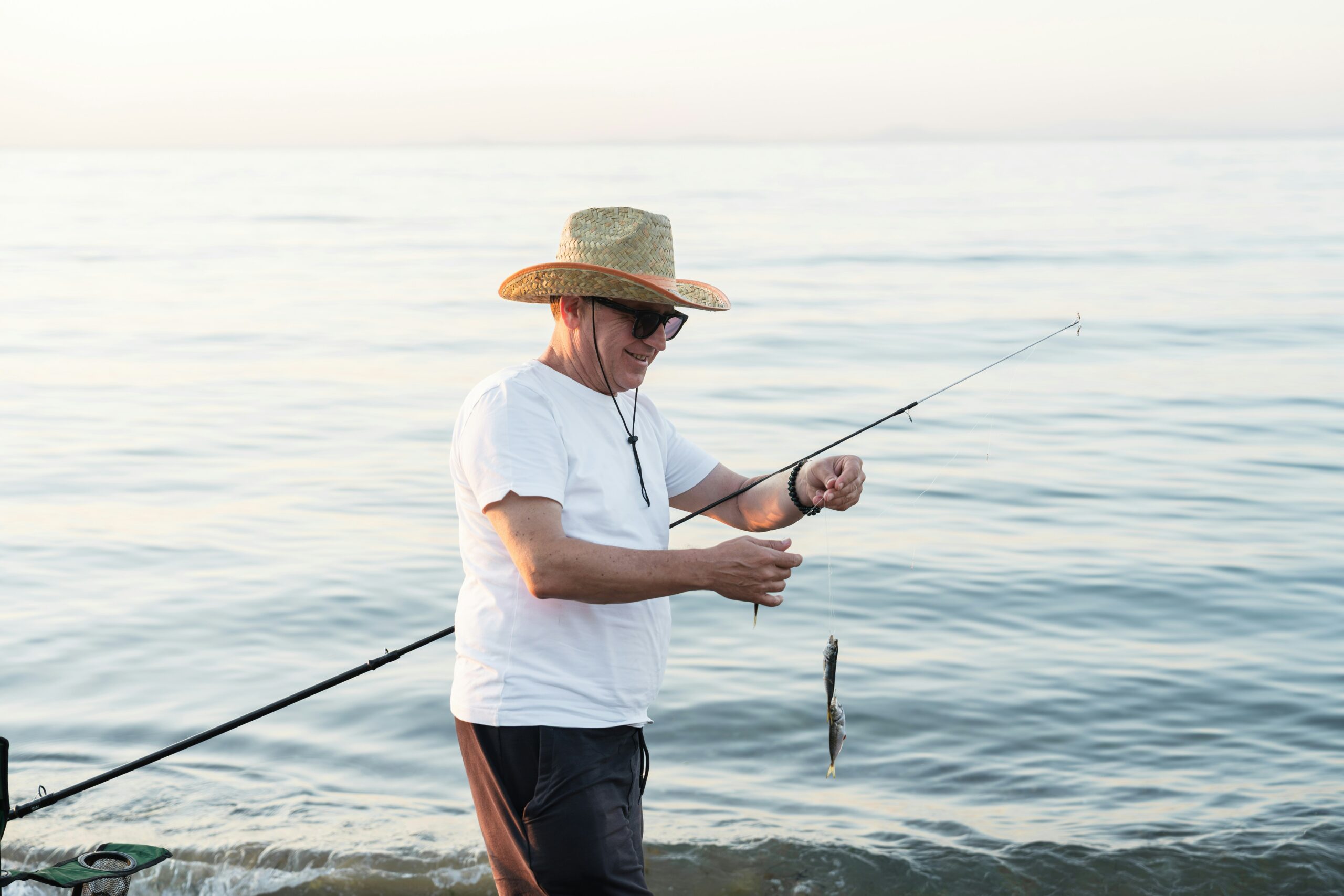
Fishing is not just about luck or the right bait. The rod in your hand is the bridge between you and the water. A rod that feels right makes each cast smoother, each fight steadier, and every trip more enjoyable. Yet, choosing one can feel overwhelming with so many shapes, sizes, and materials available—the secret lies in understanding how balance and performance work together.
A well-balanced rod feels like an extension of your arm. It reduces fatigue when casting for long hours and allows more control when reeling in a catch. If a rod is too heavy at the tip, your wrist bears the brunt of the strain. If the handle outweighs the shaft, your motions feel awkward. Balance is not only about comfort but also about accuracy. A rod that sits right in your hand delivers casts to the exact spot you aim for.
The Role of Performance
Performance goes beyond how far or fast you can cast. It involves sensitivity, strength, and flexibility. A high-performing rod responds instantly when a fish nibbles, bends with pressure instead of snapping, and returns to position without delay. Whether you fish in calm lakes or rushing rivers, the rod must match the environment. Performance ensures that every move you make transfers cleanly to the line and lure.
Rod materials influence both balance and performance. Graphite rods are light and sensitive, allowing you to detect the faintest bite. Fiberglass rods, being heavier and more durable, are suited for stronger fish and rough conditions. Some rods combine both for a mix of strength and feel. When you hold a rod, pay attention to how it sits in your hand. The texture of the handle, the weight of the blank, and the grip design all contribute to comfort.
Length and Control
Rod length shapes how you control the line. Short rods, often under six feet, allow tight movements and precise control in narrow spaces. Longer rods, stretching over eight feet, deliver greater casting distance. Choosing length is about where you plan to fish. On a boat with limited space, shorter rods are more effective. From shorelines or open waters, longer rods help cover more area. Balance comes into play here, too; a long rod must not feel top-heavy.
Two words often confuse new anglers: power and action. Power refers to the rod’s strength, or how much force it takes to bend. Light power suits small fish, while heavy power withstands large catches. Action describes where the rod bends. Fast action rods bend near the tip, offering quick response and sensitivity. Slow-action rods bend deeper, providing more flex and control for larger fights. Together, these traits shape how the rod performs in real conditions.
Matching Rod to Environment
Freshwater ponds, coastal bays, and deep-sea waters all demand different rods. In calm ponds, a light rod with quick action detects even the subtlest movements. In rivers with strong currents, you need a sturdy rod with more backbone. Offshore fishing calls for heavy-duty rods that handle weighty lines and strong pulls. The right rod balances your environment with the type of fish you target.
Casting is where balance and performance meet. A balanced rod allows a smooth motion without wobble. Action and length then determine how far and straight the lure travels. Practice with a rod that feels natural in your hand leads to more accurate placement. Accuracy matters because the lure must land where fish gather, not just anywhere in the water.
Comfort and Personal Fit
A perfect rod is not the most expensive one. It is the one that feels right for you. Handle size, grip style, and overall weight must suit your build and fishing style. If your hand slips or strains, the rod will tire you before the fish do. Comfort ensures that you can fish longer and stay focused. It also boosts confidence, which often makes the difference between a good and a great day.
Nothing replaces the value of trying a rod in person. Pick it up, mimic a cast, and check how it balances. Check if the handle fits comfortably in your palm and if the weight feels natural. Many shops have spaces where you can test rods. This hands-on approach reveals what no label or review can fully explain.
Long-Term Value
A fishing rod is an investment. A quality rod can last for years and support countless trips. Balance ensures less strain on your body, reducing the risk of injuries over time. Performance ensures more success and enjoyment. Think of the rod as a partner, not just a tool. Choosing wisely saves you from repeated replacements and frustrations.
Once you find the perfect rod, take care of it to keep it performing optimally. Rinse it after use with saltwater, dry it before storing, and avoid leaning it against sharp edges. Check guides and reels for damage, as even small cracks affect performance. Regular care helps maintain balance and prolong life.